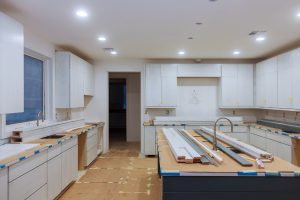
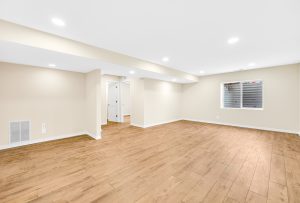
When you start a home remodel, you expect a little dust, some noise, and maybe a few “surprises” behind the walls. But the structural surprises? Those are the ones that keep homeowners up at night — the ones that make people whisper things like:
“Please don’t let this turn into a foundation issue…”
“Is that crack new? Has that crack always been there?”
“Why is the floor suddenly bouncy?”
If you’ve felt this way, you’re not alone. At Southern Mesa, one of the first questions homeowners ask us — even before cost — is:
“What structural problems could show up during my remodel?”
And it’s a smart question.
Because the truth is: Colorado Springs homes have unique structural challenges, thanks to our soil, elevation, freeze-thaw cycles, and the very—let’s say—“creative” DIY projects many homes have lived through since the 70s.
Why Structural Issues Are So Common in Colorado Springs Homes
Colorado Springs is beautiful — but it does our homes zero favors.
Here’s why we see so many hidden issues:
Expansive Clay Soil
Our soil loves drama: it expands when wet and shrinks when dry. Your foundation rides that roller coaster year after year.
Rapid Temperature Swings
It can go from sunny and 70° to a blizzard within 24 hours. Freeze-thaw cycles crack concrete, warp wood, and pull buildings apart slowly over time.
Older Housing Stock
Many homes built between the 60s–90s had builder-grade materials become more of a norm and now need reinforcement. The days of higher grade construction products in “most” homes is a thing of the past.
Unpermitted DIY Work
You’d be amazed how often we find framing modifications made with:
- scrap 2x4s
- plumbing shoved through joists
- load-bearing walls partially cut
- electrical run like spaghetti
- janky decks tied improperly into homes
Our blog “The Hidden Dangers of Hiring an Unlicensed Handyman?” covers exactly why this is so common — and so dangerous.
The 10 Most Common Structural Problems Found During Remodels
These issues show up again and again in Colorado Springs homes — whether we’re doing a kitchen remodel, basement finish, or full addition.
1. Foundation Settlement & Cracks
The #1 problem we find.
Signs include:
- Diagonal cracks by doors or windows
- Floors sloping or “soft” in the middle
- Doors that won’t latch
- Exterior vertical cracks wider than ⅛ inch
Colorado’s clay soil + freeze cycles = shifting foundations.
Repair Cost (2025–2026):
$500–$3,000 for simple crack injection
$4,000–$30,000 on average, sometimes upwards of $60,000 for major settlement issues
2. Sagging or Undersized Floor Joists
You know that “bouncy” feeling when you walk across the room?
That’s not a vibe — that’s a joist problem.
Common causes:
- Age
- Long spans without beams
- Previous DIY remodeling
- Extra load (like moving a kitchen island)
Repair Cost: $5,000–$20,000
3. Load-Bearing Walls Removed Incorrectly
This is the structural problem we see most often in remodels.
Previous owners often wanted an open floor plan and… let’s just say they achieved it through “creative engineering.”
We find:
- Beams resting on drywall (yes, really)
- Studs cut to make room for plumbing
- Headers that aren’t sized correctly
- No engineering anywhere
Repair Cost: $8,000–$40,000+
4. Damaged or Modified Roof Trusses
Sometimes people cut roof trusses to create storage space.
Or HVAC techs notch a truss to run ductwork.
Or snow loads cause bowing.
Damaged trusses = roof sagging, leaks, and future structural failure.
Repair Cost: $5,000–$40,000
5. Hidden Water Damage in Walls or Floors
Water is sneaky — it hides until you open a wall during demo.
Common sources:
- Old plumbing leaks
- Roof leaks
- Failed window seals
- Improperly waterproofed showers
You may find:
- Mold
- Soft subfloor
- Rotting framing
- Disintegrated insulation
Repair Cost: $4,500–$16,000+
6. Unsafe Deck or Patio Cover Connections
We’ve seen decks literally bolted into siding instead of framing.
Or ledger boards without flashing.
Or patio covers bearing on 4x4s they should never have been on.
One of the most important things to consider is Colorado’s snow loads – deck safety is essential.
Repair Cost: $4,000–$30,000+
7. Illegal Electrical or Plumbing Work Hidden in Walls
If you’ve ever bought a home where the previous owner said,
“Oh yes, we finished the basement ourselves,”
…you should assume we’ll find issues.
Problems include:
- Plumbing venting into the wall instead of roof
- Open electrical junction boxes buried behind drywall
- Undersized wiring
- Wrong pipe types
Repair Cost: $5,000–$15,000 depending on severity
8. Basement Heaving or Soil Movement
Colorado’s expansive soil doesn’t just affect foundations — it can heave basement slabs and push walls inward.
Repair Cost: $6,000–$30,000 depending on engineering
9. Damaged or Inadequate Support Beams
Beams can crack from:
- Water exposure
- Excessive load
- Poor original construction
- Termite activity (rare, but possible)
Repair Cost: $6,000–$20,000
10. Doors and Windows Out of Square
This is often the first sign of structural movement.
You’ll notice:
- Gaps
- Drafts
- Difficulty closing
- Trim pulling away
Repair Cost: $2,500–$8,000
How Contractors Find Structural Issues (Before and During a Remodel)
You can’t fix what you can’t see. Here’s how Southern Mesa identifies structural issues early:
- Onsite assessments
- Laser leveling for floor/ceiling movement
- Probing drywall or flooring
- Stud finders that detect more than just studs
- Moisture meters
- Opening exploratory drywall
- Reviewing previous permits
- Bringing in structural engineers when needed
A good contractor doesn’t assume your home is fine — they verify it.
How Much These Structural Problems Cost to Fix (2025–2026)
Here’s a quick breakdown of typical repair ranges in Colorado Springs:
Issue | Typical Cost Range |
Foundation crack repair | $500–$3,000 |
Major foundation settlement | $4,000–$30,000 |
Load-bearing corrections | $8,000–$40,000 |
Floor joist reinforcement | $4,000–$20,000 |
Roof truss repair | $5,000–$40,000 |
Water-damaged framing | $4,500–$16,000 |
Basement heave correction | $6,000–$30,000 |
Deck ledger/structural repair | $4,000–$30,000 |
These ranges reflect 2025–2026 market conditions, materials, engineering requirements, and Colorado-specific soil and weather challenges.
How Structural Issues Affect Your Remodel Timeline
Delays can occur due to:
- Engineering revisions
- Additional demolition
- Permit requirements
- Inspector scheduling
- Weather (for exterior work)
- Material lead times
For a deeper explanation of timelines, see our blog:
“How Long Does a Home Addition Really Take in Colorado Springs?” Part 1 & Part 2
How to Avoid (Most) Structural Surprises
You’ll never eliminate all surprises — but you can dramatically reduce them.
Start With a Reputable Contractor
Cheap bids often skip structural evaluation entirely.
Get Engineering Early
Especially if walls are moving or you’re doing an addition.
Don’t Skip Soils Testing
This is critical for Colorado — and required before any addition.
Avoid Unlicensed Contractors
Avoid unlicensed contractors: They often skip permits, ignore code requirements, and make unsafe structural changes that can leave you financially responsible for costly repairs.
Always Obtain Permits
Unpermitted work can cost you thousands later — and endanger your home.
Southern Mesa’s Process for Identifying and Solving Structural Issues
Our approach is simple: teach first, build second.
Every homeowner gets:
- Education-forward consultations
- Pre-construction agreements for design + engineering
- Complete transparency
- Itemized proposals
- JobTread communication
- Structural issues explained in plain English
- Options tailored to your budget and timeline
We don’t scare you.
We don’t upsell you.
We simply tell you what your home needs to be safe — and why.
FAQ: Structural Issues During Remodels (2025–2026 Colorado Springs)
Q: How do I know if my home has structural problems?
Look for cracks, sloping floors, sticky doors, or gaps in trim. But the best method? A professional assessment.
Q: Can structural issues stop my remodel?
Yes — temporarily. Structural issues must be fixed before cosmetic work starts.
Q: Are structural repairs covered by insurance?
Usually not, unless caused by a sudden event like flooding or a burst pipe. Settlement, soil movement, and age are typically excluded.
Q: Do I need a structural engineer or a contractor first?
Start with a contractor. We’ll tell you if engineering is needed — and coordinate it for you.
Q: What if you find issues mid-project?
We pause, review findings with you, get engineering if necessary, and provide updated options and pricing.
Q: Are structural issues more common in Colorado than elsewhere?
Yes — our soil, elevation, climate, and age of housing make issues more common.
Q: How can I budget ahead for structural surprises?
Set aside a 10–20% contingency fund for older homes or major remodels.
Final Takeaway
Structural issues can feel intimidating — but when you understand what causes them, what they cost, and how they’re repaired, they become manageable instead of scary.
At Southern Mesa, we believe informed homeowners make confident decisions. Whether you’re planning a remodel, finishing a basement, or building an addition, our team is here to guide you through the process with honesty, education, and expertise.
Want help assessing your home before starting your project?
We’d love to walk through it with you — and make sure your remodel starts on solid ground.